

Published by Kiplinger.com
Written by Kyle Hammerschmidt
“What if the most important part of retirement planning happens in a window most people overlook?”
“Most people think of retirement in two stages: accumulation, when you save and invest, and distribution, when you start spending. But there’s a crucial middle phase that rarely gets the attention it deserves — the Critical 15.
“These five years before you stop working and the first 10 after often determine how confident and comfortable you’ll feel for the rest of your life.
“Many retirees enter this phase unprepared, caught off guard by unexpected tax bills, Medicare surcharges or market downturns that hit just as they start drawing income.
“How do you turn awareness into action? The first step in navigating the Critical 15 is creating a plan for a steady income so you can have control, flexibility and peace of mind no matter what the markets do.
Income planning during the Critical 15
“The first step is learning how to create your own “retirement paycheck”. Separate essentials (housing, health care, food) from discretionary expenses (travel, hobbies, gifts).
“Your budget should work like a dashboard, giving you a clear view of your spending and helping you make adjustments, not a diet that makes you feel restricted.
“Once you understand what you’ll need to spend, the next step is deciding where that money should come from and when. The timing and source of your withdrawals can make a major difference in how long your savings last and how much you pay in taxes.
“Social Security timing. The right time to claim isn’t just about the biggest check, it’s about how your benefits interact with taxes and investment withdrawals. In some cases, filing earlier can help preserve investments during a market downturn by reducing the need to sell assets at low prices.
“Account sequencing. The order you draw from pretax, Roth or brokerage accounts directly affects how long your savings last. Instead of spending down one type of account first, it can be smart to blend withdrawals to help keep your taxable income consistent over time.
“For example, you might pull from Roth accounts in high-income years or during market downturns and use taxable funds when gains can be realized at lower rates. The goal is to smooth your tax bill over the years rather than face costly surprises later.
“Spending guardrails. Instead of sticking to a rigid 4% rule, build flexibility into your plan. Set spending thresholds that tell you when to adjust. If markets rise and your portfolio grows, you can safely increase withdrawals.
“If markets drop, scale back slightly to give your investments time to recover. This approach keeps your plan sustainable without forcing unnecessary sacrifice when times are good or panic when they’re not.”
Click here to read the remainder of the article.
Recent Posts
 Dave’s Pick: “This Is the Retirement Phase Nobody Talks About”
 Understanding Investment Fees: What You’re Paying and Why It Matters
 Managing Retirement Income During Market Downturns: Staying Steady When Markets Shift
 Mid-Tax-Season Check-In: Avoiding Common Filing Mistakes
 Your Spring Financial Refresh: A Seasonal Opportunity to Refocus and Reorganize
 This Fraud Alert Is a Fake
 Understanding the Human Side of Money: Behavioral Finance Basics
 Balancing Long-Term Growth with Everyday Flexibility: The Value of Liquidity
 Preparing for Change with Flexibility and Foresight: Planning for Life Transitions
 The Secret to Timing the Market
 Practical Approaches to Strengthen Your Financial Plan: Smart Ways to Use Tax Refunds
- This Phishing Scam Is a Bad Apple
 Creating Everyday Practices That Support Long-Term Financial Wellness
 Market Outlook 2026: Key Economic Themes to Watch This Year
- Scam of the Month: This Attachment Is Officially Phish-y









 Megan Jones joined the ILG Financial team in 2020 as marketing director. Megan and her husband live in Fredericksburg, VA with their German Short Haired Pointer, Gus. Megan is a graduate of Longwood University and holds a degree in communications. Megan is the oldest of Dave Lopez’s three children and not only enjoys working alongside her father, but also with her cousin, Chase, who joined the ILG Financial team in 2020 as an advisor. Megan is also a fully licensed Life, Health, and Annuity agent. When not at work, Megan enjoys sitting on the back porch with family and friends enjoying food and music.
 Amy Anderson joined the ILG Financial team in 2023 as the client relations coordinator. Her responsibilities include scheduling of appointments, annual check-up notifications, and annuity and required minimum distribution assistance. She is a graduate of Harding University with a degree in Computer Information Systems. Amy and her husband have two children and she enjoys reading, crocheting, music and spending time with her family.
 Terri Center joined the ILG Financial team in 2019 as client services manager. She handles client records, application processing, and gathering information to provide a professional and friendly experience with all of our clients. Terri is a graduate of Oakland University. She is married and has two children. She enjoys hiking, family time, and puzzle challenging video games. She also likes to share her creativity in her canvas paintings and sewing projects.
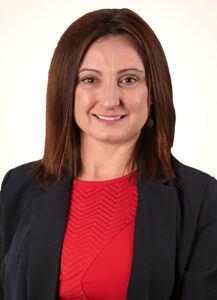 Jessica Carson joined the ILG Financial team in 2018 as an agent. Jessica and her husband have four children, two dogs, 3 barn cats, 5 chickens, and three parakeets. She indeed loves her children and pets! When not at work, Jessica enjoys playing the piano and cello as well as traveling and spending time outside with her family, hiking, fishing, and boating.
 Chase Lopez joined the ILG Financial team in 2020 as an advisor. Chase is a 2016 James Madison University graduate with a degree in management. Chase has been trained under the tutelage of Dave Lopez, who is not only the founder and managing member of ILG Financial, but also is Chase’s uncle and godfather. He also enjoys working alongside his cousin, Megan, who is Dave’s daughter.