
 As the end of the year approaches, it’s a prime time to review your financial situation and make adjustments that could impact your taxes. Tax optimization strategies are essential tools that can help you manage your tax liabilities and make informed decisions about your finances. By taking proactive steps now, you can organize your tax planning in a way that aligns with your financial goals and possibly reduces your taxable income. This article explores several effective strategies for year-end tax optimization.
- Review and Adjust Your Investment Portfolio
One of the most effective tax optimization strategies is to review your investment portfolio before the year ends. A key technique is tax-loss harvesting, where you sell investments that are currently valued lower than their purchase price. By realizing these losses, you can offset gains in other areas, thereby potentially reducing your overall taxable income. It’s important to keep in mind that while tax-loss harvesting can be useful, it should align with your broader investment strategy, not just for short-term tax benefits.
Additionally, take note of the wash-sale rule, which disallows claiming a loss if you repurchase the same or substantially identical security within 30 days of the sale. Staying mindful of this rule ensures that any adjustments you make to your portfolio are not voided.
- Make the Most of Retirement Contributions
Another fundamental aspect of year-end tax optimization strategies is making contributions to tax-advantaged retirement accounts. Contributing to traditional IRAs and 401(k)s can reduce your taxable income for the current year, as these contributions are generally tax-deductible. The limits for these accounts vary, so ensuring you are contributing up to the maximum allowable amount for your situation is crucial.
If you have access to a Roth IRA, consider your options there as well. While Roth contributions are made with after-tax dollars, they grow tax-free, which can be advantageous for long-term planning. Evaluating your income and tax bracket this year may help you decide whether traditional or Roth contributions best fit your tax strategy.
- Utilize Charitable Contributions Wisely
Charitable giving is a powerful way to manage your tax burden while supporting causes that matter to you. One strategy to consider is bunching charitable contributions, where you consolidate several years’ worth of donations into a single year. This can help you itemize deductions in one year to maximize your tax savings while taking the standard deduction in other years.
Donor-Advised Funds (DAFs) are also a valuable tool. With a DAF, you can make a large donation and receive an immediate tax deduction while distributing the funds to charities over time. This flexibility allows you to align your charitable giving with your tax planning and long-term financial goals.
- Take Advantage of Tax Credits
Tax credits are direct reductions in the amount of tax you owe, making them a valuable component of your overall tax strategy. Common credits include the Child Tax Credit, the American Opportunity Tax Credit for education, and credits for energy-efficient home improvements.
Review your eligibility for these credits before the year ends and take any necessary qualifying actions. For instance, if you’re eligible for credits related to energy efficiency, completing projects before the end of the year could have a direct impact on your tax bill.
- Consider Timing Your Income and Deductions
For those who have flexibility in how they receive income—such as business owners or freelancers—timing your income can be an important tax optimization strategy. If you anticipate being in a lower tax bracket next year, consider deferring income until January. Conversely, if you expect to be in a higher tax bracket next year, you might want to accelerate income into this year.
Similarly, timing deductions like medical expenses or business expenses can impact your tax planning. By bringing forward or delaying certain payments, you can influence your taxable income for the year. For instance, if you have high medical expenses that exceed the IRS threshold for deductions, paying those bills before the year’s end can be beneficial.
- Evaluate the Use of Tax-Advantaged Accounts Beyond Retirement
In addition to retirement accounts, other tax-advantaged accounts like Health Savings Accounts (HSAs) and Flexible Spending Accounts (FSAs) offer opportunities for year-end tax planning. Contributions to an HSA are tax-deductible, and withdrawals for qualified medical expenses are tax-free. If you are eligible, contributing the maximum amount before the end of the year is an effective tax optimization strategy.
FSAs, on the other hand, require you to use the funds within the plan year or risk forfeiture (though some plans offer a grace period). Make sure to use any remaining balance in your FSA for eligible expenses before the deadline.
- Plan for Capital Gains Distributions
Mutual funds often distribute capital gains to investors toward the end of the year. These distributions are taxable, and without careful planning, they can increase your tax burden. Review your holdings to anticipate any distributions and determine if you need to make any adjustments.
If your capital gains distributions push you into a higher tax bracket, consider offsetting them with losses from other investments (as mentioned earlier with tax-loss harvesting). Planning for these distributions is a key part of tax optimization strategies, especially if you are trying to keep your income within a certain threshold.
- Review Tax Implications of RMDs
For those who are 73 or older, Required Minimum Distributions (RMDs) must be taken from traditional IRAs and 401(k)s. These distributions are taxable, so if you haven’t taken your RMDs for the year yet, make sure to do so before December 31. Failure to take the full RMD can result in penalties.
If you do not need the RMD for living expenses, one option is to use a Qualified Charitable Distribution (QCD). By donating your RMD directly to a qualified charity, you can avoid paying taxes on the distribution. This can be a useful tool for both tax planning and charitable giving.
- Explore Tax Diversification Opportunities
Diversifying your accounts between taxable, tax-deferred, and tax-free accounts offers more flexibility for tax optimization strategies in retirement. Having a mix of these accounts allows you to choose the most tax-efficient source for withdrawals, depending on your situation each year. This approach can help you manage your tax bracket in retirement and possibly minimize taxes over time.
Review your current portfolio and see if there are opportunities to add or convert assets into tax-free options like Roth IRAs, where growth and qualified withdrawals are tax-free.
Are You Utilizing the Right Tax Optimization Strategies for You?
Year-end tax planning is an opportunity to take control of your financial strategy and manage your tax burden in a thoughtful way. By focusing on these tax optimization strategies—from reviewing your investments to timing income and deductions—you can better align your finances with your overall goals. Keep in mind that everyone’s situation is different, so working with a financial professional who understands your unique circumstances can be beneficial in developing a personalized approach. Taking action now may help position your finances more effectively as you move into the new year.
Sources:
- [1] https://www.investopedia.com/terms/t/taxgainlossharvesting.asp
- [2] https://www.investopedia.com/terms/w/washsale.asp
Recent Posts
 This Charge Doesn’t Add Up
- Scam of the Month: One Letter Away from a Scam
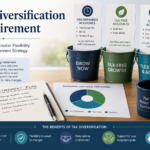 Tax Diversification in Retirement: Building Flexibility for Future Income Needs
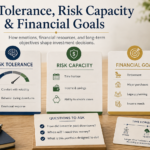 Understanding the Difference Between Risk Tolerance, Risk Capacity, and Financial Goals
 Back-to-Routine Money Reset: Taking Stock Before the End of the Year
- Scam of the Month: This Job Won’t Work
 Planning for Longevity: Preparing for a Retirement That May Last Decades
 Why Putting Your Financial Strategy in Writing Matters
 Summer Financial Checkup: Reviewing Your Progress and Priorities
- Scam of the Month: FIFA Phishing
 Four Financial Scams Targeting Seniors
- Scam of the Month: Fake It ‘Til They Take It
- How Much Do You Really Need to Retire?
 How to Prioritize Multiple Financial Goals at Once
 The Pros and Cons of Consolidating Investment Accounts





 Megan Jones joined the ILG Financial team in 2020 as marketing director. Megan and her husband live in Fredericksburg, VA with their German Short Haired Pointer, Gus. Megan is a graduate of Longwood University and holds a degree in communications. Megan is the oldest of Dave Lopez’s three children and not only enjoys working alongside her father, but also with her cousin, Chase, who joined the ILG Financial team in 2020 as an advisor. Megan is also a fully licensed Life, Health, and Annuity agent. When not at work, Megan enjoys sitting on the back porch with family and friends enjoying food and music.
 Amy Anderson joined the ILG Financial team in 2023 as the client relations coordinator. Her responsibilities include scheduling of appointments, annual check-up notifications, and annuity and required minimum distribution assistance. She is a graduate of Harding University with a degree in Computer Information Systems. Amy and her husband have two children and she enjoys reading, crocheting, music and spending time with her family.
 Terri Center joined the ILG Financial team in 2019 as client services manager. She handles client records, application processing, and gathering information to provide a professional and friendly experience with all of our clients. Terri is a graduate of Oakland University. She is married and has two children. She enjoys hiking, family time, and puzzle challenging video games. She also likes to share her creativity in her canvas paintings and sewing projects.
 Jessica Carson joined the ILG Financial team in 2018 as an agent. Jessica and her husband have four children, two dogs, 3 barn cats, 5 chickens, and three parakeets. She indeed loves her children and pets! When not at work, Jessica enjoys playing the piano and cello as well as traveling and spending time outside with her family, hiking, fishing, and boating.