

By the middle of the year, many financial decisions have already been set in motion. Income has been earned, expenses have occurred, and investment activity has taken place. This makes mid-year an ideal time to pause and evaluate your tax situation before the final months of the year.
Rather than waiting until tax season, reviewing your position now may help you make thoughtful adjustments while there is still time to act.
Why Mid-Year Tax Planning Matters
Tax planning is most effective when it happens throughout the year. A mid-year check-in allows you to assess what has already occurred and consider whether any adjustments may be helpful before year-end.
By reviewing income, deductions, and contributions now, you can reduce the likelihood of surprises later and maintain better alignment with your overall financial plan.
Review Your Income and Withholdings
Start by evaluating your current income and how much has been withheld for taxes so far. If your income has changed due to a raise, bonus, or job transition, your withholding1 may no longer align with your expected tax liability.
This could be a beneficial time to:
- Review your most recent pay stubs
- Estimate your total income for the year
- Adjust your W-4 if needed
For those who are self-employed or have variable income, reviewing estimated quarterly payments2 can also help keep your plan on track.
Revisit Retirement Contributions
Mid-year is a practical time to assess your retirement savings progress.
If you are contributing to an employer-sponsored plan or an individual retirement account, consider whether your current contribution level aligns with your annual goals. If there is room within contribution limits, you may choose to increase contributions gradually during the second half of the year.
These adjustments can help you stay consistent without requiring significant changes later.
Consider Timing of Income and Expenses
In some situations, the timing of income or deductible expenses can influence your overall tax picture. While this may not apply to everyone, it can be relevant for individuals with flexibility in when they receive income or make certain payments.
For example:
- Deferring income to a future year may be considered in certain circumstances
- Accelerating deductible expenses may be relevant depending on your situation
These strategies depend on individual factors and should be reviewed with a qualified tax professional.
Evaluate Investment Activity
Investment decisions can also carry tax implications. Mid-year is a good time to review:
- Capital gains or losses realized so far
- Dividend and interest income
- Opportunities for tax-loss harvesting, if appropriate
Understanding how investment activity contributes to your overall tax picture can help you make more informed decisions for the remainder of the year.
Check for Life Changes
Major life events can significantly affect your tax situation. If you have experienced any of the following this year, a mid-year review may be especially important:
- Marriage or divorce
- Birth or adoption of a child
- Job change or relocation
- Retirement or transition to part-time work
These changes may affect filing status, deductions, or credits. Reviewing them early allows for better preparation.
Stay Organized for the Second Half of the Year
Maintaining organized records can make year-end planning more efficient. Consider creating a system to track:
- Receipts for deductible expenses
- Charitable contributions
- Medical or education-related costs
Keeping these documents updated throughout the year can simplify the filing process later.
Mid-Year Tax Planning: Final Thoughts
Mid-year offers a valuable opportunity to review your financial and tax position while there is still time to make adjustments.
By evaluating income, contributions, and potential changes now, you can approach the rest of the year with greater clarity and organization. Thoughtful planning throughout the year helps make tax season more manageable and aligned with your overall goals.
Sources:
- [1] https://www.investopedia.com/terms/w/withholding.asp
- [2] https://www.investopedia.com/terms/e/estimated-tax.asp
Recent Posts
 Buckle Up: Why Markets Could Get Bumpy This Fall
 Setting Effective Financial Goals for Sustainable Success
 Understanding Where Protected Income Strategies May Fit Within a Retirement Plan
 Charitable Giving Strategies: Planning Your Giving Before Year-End to Support Causes That Matter to You
 Taking a Proactive Approach to Important Financial Decisions Before Year-End
 This Charge Doesn’t Add Up
- Scam of the Month: One Letter Away from a Scam
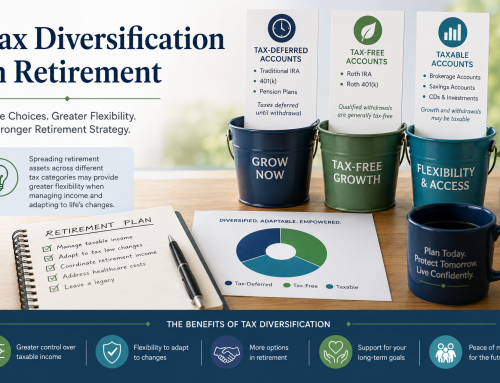
 Tax Diversification in Retirement: Building Flexibility for Future Income Needs
 Understanding the Difference Between Risk Tolerance, Risk Capacity, and Financial Goals
 Back-to-Routine Money Reset: Taking Stock Before the End of the Year
- Scam of the Month: This Job Won’t Work
 Planning for Longevity: Preparing for a Retirement That May Last Decades
 Why Putting Your Financial Strategy in Writing Matters
 Summer Financial Checkup: Reviewing Your Progress and Priorities
- Scam of the Month: FIFA Phishing







 Israel Chavez, Jr. joined the ILG Financial team in 2026 as a Service Advisor. A graduate of Howard University, Israel was also a Division I student-athlete, competing as a goalkeeper for the university’s soccer program. His experience balancing academics and collegiate athletics helped shape the discipline and competitive mindset he brings to his role at ILG Financial.
 Megan Jones joined the ILG Financial team in 2020 as marketing director. Megan and her husband live in Fredericksburg, VA with their German Short Haired Pointer, Gus. Megan is a graduate of Longwood University and holds a degree in communications. Megan is the oldest of Dave Lopez’s three children and not only enjoys working alongside her father, but also with her cousin, Chase, who joined the ILG Financial team in 2020 as an advisor. Megan is also a fully licensed Life, Health, and Annuity agent. When not at work, Megan enjoys sitting on the back porch with family and friends enjoying food and music.
 Amy Anderson joined the ILG Financial team in 2023 as the client relations coordinator. Her responsibilities include scheduling of appointments, annual check-up notifications, and annuity and required minimum distribution assistance. She is a graduate of Harding University with a degree in Computer Information Systems. Amy and her husband have two children and she enjoys reading, crocheting, music and spending time with her family.
 Terri Center joined the ILG Financial team in 2019 as client services manager. She handles client records, application processing, and gathering information to provide a professional and friendly experience with all of our clients. Terri is a graduate of Oakland University. She is married and has two children. She enjoys hiking, family time, and puzzle challenging video games. She also likes to share her creativity in her canvas paintings and sewing projects.
 Jessica Carson joined the ILG Financial team in 2018 as an agent. Jessica and her husband have four children, two dogs, 3 barn cats, 5 chickens, and three parakeets. She indeed loves her children and pets! When not at work, Jessica enjoys playing the piano and cello as well as traveling and spending time outside with her family, hiking, fishing, and boating.