
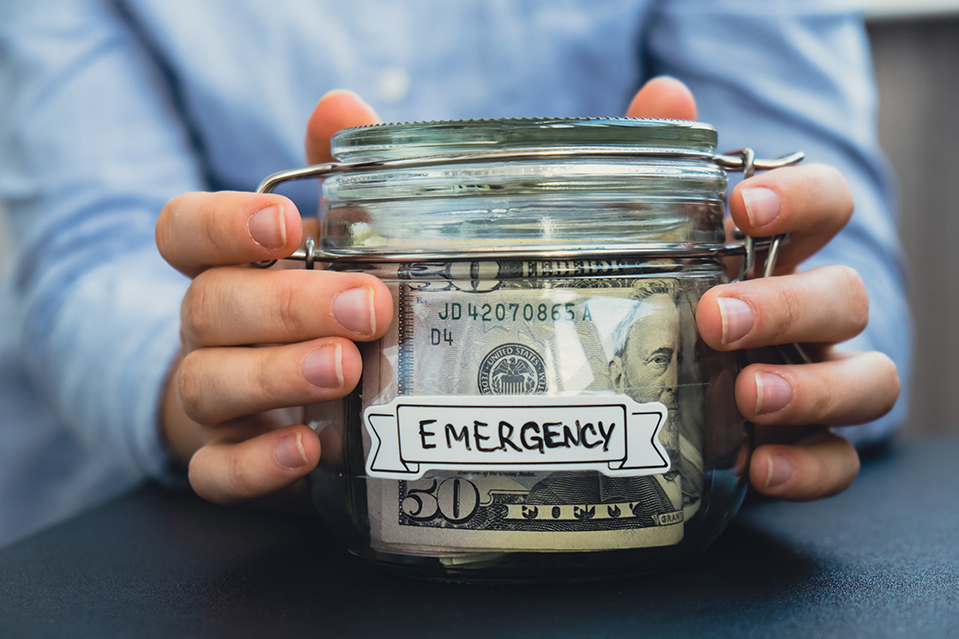
 Life is unpredictable, and unexpected expenses can arise at any time. Medical bills, car repairs, job loss, or home maintenance issues can cause sudden financial strain. Having an emergency fund can provide you with a financial cushion, helping to manage these unexpected costs without the need for high-interest debt or significant lifestyle adjustments.
Understanding how much to set aside and how to build an emergency fund can be important steps in financial planning.
Why an Emergency Fund Matters
Unexpected expenses are a common reality, and without a financial buffer, you may find yourself relying on credit cards, loans, or borrowing from retirement savings.
These options can lead to additional financial strain, as debt often comes with interest costs that make repayment more challenging over time. An emergency fund acts as a dedicated reserve, allowing you to handle unforeseen costs while maintaining your long-term financial plans.
Having funds set aside for emergencies may also provide flexibility in decision-making. Whether facing a job loss, medical expense, or urgent home repair, having an emergency fund may provide you with more choices for addressing financial challenges.
What is the Right Emergency Fund Amount for Me?
Your emergency fund amount varies depending on personal circumstances, including income level, job stability, monthly expenses, and financial obligations. While general recommendations suggest saving three to six months’ worth of essential expenses, individual situations may call for adjustments.
- Single-income households: Those relying on one source of income may benefit from saving closer to six months’ worth of expenses, as losing a job could result in a longer period of financial uncertainty.
- Dual-income households: If both partners in a household earn an income, the need for a larger emergency fund may be reduced, though savings should still cover at least three months of expenses to account for unexpected events.
- Self-employed individuals or freelancers: Those with variable income may consider saving six months or more of expenses due to the unpredictability of earnings.
- Families with dependents: Households with children or other dependents may want to factor in additional costs, such as healthcare and childcare, when determining an appropriate emergency fund amount.
- Individuals with high fixed expenses: Those with large mortgage payments, car loans, or other significant financial commitments may need a larger fund to cover these obligations during periods of reduced income.
Where to Keep an Emergency Fund
An emergency fund should be easily accessible but kept separate from daily spending accounts to prevent unnecessary use. Some common options include:
- High-yield savings accounts[1]: These accounts offer interest on savings while allowing quick access to funds when needed.
- Money market accounts[2]: Similar to savings accounts, money market accounts may offer higher interest rates and limited check-writing privileges.
- Traditional savings accounts: While often offering lower interest rates, they provide the potential for immediate access to funds in an emergency.
Investments in stocks or long-term assets may not be suitable for emergency funds, as market fluctuations could reduce the value of savings when immediate access is required.
Building an Emergency Fund
For those starting from scratch, building an emergency fund may take time. Setting realistic goals and contributing consistently can help establish savings over time. Some strategies to consider include:
- Setting a monthly savings goal: Even small, regular contributions can add up over time. Automating transfers to a dedicated savings account can help maintain consistency.
- Reducing non-essential expenses: Evaluating discretionary spending and reallocating funds to savings can help accelerate progress.
- Using windfalls and extra income: Tax refunds, bonuses, or side income can be directed toward an emergency fund.
- Adjusting savings over time: As expenses change, reassessing savings goals periodically can help maintain an adequate emergency fund.
When to Use an Emergency Fund
An emergency fund is meant for urgent, unforeseen expenses rather than discretionary purchases. Some appropriate uses include:
- Medical emergencies: Unexpected healthcare costs that are not covered by insurance.
- Job loss: Covering essential expenses while seeking new employment.
- Urgent home or car repairs: Addressing issues that affect daily life and safety.
- Unexpected travel: Covering costs for family emergencies or other urgent situations.
If an emergency fund is used, replenishing it should be a priority to maintain financial preparedness for future unexpected events.
Protect Your Finances from the Unexpected
An emergency fund serves as a financial buffer against unexpected expenses, helping you manage challenges without relying on high-interest debt. The amount needed varies based on personal circumstances, with considerations for income stability, financial obligations, and household size. Keeping these funds in an accessible yet separate account can help you preserve your savings for true emergencies. Establishing and maintaining an emergency fund may take a while, but consistent saving habits can help you build financial resilience over time.
Sources:
Recent Posts
 Buckle Up: Why Markets Could Get Bumpy This Fall
 Setting Effective Financial Goals for Sustainable Success
 Understanding Where Protected Income Strategies May Fit Within a Retirement Plan
 Charitable Giving Strategies: Planning Your Giving Before Year-End to Support Causes That Matter to You
 Taking a Proactive Approach to Important Financial Decisions Before Year-End
 This Charge Doesn’t Add Up
- Scam of the Month: One Letter Away from a Scam
 Tax Diversification in Retirement: Building Flexibility for Future Income Needs
 Understanding the Difference Between Risk Tolerance, Risk Capacity, and Financial Goals
 Back-to-Routine Money Reset: Taking Stock Before the End of the Year
- Scam of the Month: This Job Won’t Work
 Planning for Longevity: Preparing for a Retirement That May Last Decades
 Why Putting Your Financial Strategy in Writing Matters
 Summer Financial Checkup: Reviewing Your Progress and Priorities
- Scam of the Month: FIFA Phishing

 Israel Chavez, Jr. joined the ILG Financial team in 2026 as a Service Advisor. A graduate of Howard University, Israel was also a Division I student-athlete, competing as a goalkeeper for the university’s soccer program. His experience balancing academics and collegiate athletics helped shape the discipline and competitive mindset he brings to his role at ILG Financial.
 Megan Jones joined the ILG Financial team in 2020 as marketing director. Megan and her husband live in Fredericksburg, VA with their German Short Haired Pointer, Gus. Megan is a graduate of Longwood University and holds a degree in communications. Megan is the oldest of Dave Lopez’s three children and not only enjoys working alongside her father, but also with her cousin, Chase, who joined the ILG Financial team in 2020 as an advisor. Megan is also a fully licensed Life, Health, and Annuity agent. When not at work, Megan enjoys sitting on the back porch with family and friends enjoying food and music.
 Amy Anderson joined the ILG Financial team in 2023 as the client relations coordinator. Her responsibilities include scheduling of appointments, annual check-up notifications, and annuity and required minimum distribution assistance. She is a graduate of Harding University with a degree in Computer Information Systems. Amy and her husband have two children and she enjoys reading, crocheting, music and spending time with her family.
 Terri Center joined the ILG Financial team in 2019 as client services manager. She handles client records, application processing, and gathering information to provide a professional and friendly experience with all of our clients. Terri is a graduate of Oakland University. She is married and has two children. She enjoys hiking, family time, and puzzle challenging video games. She also likes to share her creativity in her canvas paintings and sewing projects.
 Jessica Carson joined the ILG Financial team in 2018 as an agent. Jessica and her husband have four children, two dogs, 3 barn cats, 5 chickens, and three parakeets. She indeed loves her children and pets! When not at work, Jessica enjoys playing the piano and cello as well as traveling and spending time outside with her family, hiking, fishing, and boating.